Why Craftsmanship Matters in Office Furniture: The Secret Behind Comfort, Durability, and True Quality
When shopping for office furniture, most people focus on visible features — genuine leather, thick cushioning, or a sleek executive design. Materials certainly matter, but they tell only part of the story. Two office chairs may look nearly identical and even use similar materials, yet perform completely differently over time.
The difference often comes down to craftsmanship.
Craftsmanship is what transforms raw materials into a comfortable, supportive, and long-lasting seating experience. It determines whether an office chair maintains its structure after years of daily use or begins to sag, loosen, and wear within months. In today’s work environment — where many professionals spend six to ten hours seated each day — the quality of construction behind your chair matters more than ever.
This article explores why craftsmanship plays such a critical role in office furniture, especially executive genuine leather office chairs, and how it directly impacts comfort, durability, and long-term value.
Office Furniture Is More Than Just Materials
Modern buyers often compare furniture by checking specifications: leather type, foam thickness, or metal components. While these elements are important, materials alone do not guarantee performance.
Think of craftsmanship as the bridge between materials and real-world experience.
High-quality leather can still wrinkle or crack if it is poorly stretched. Dense foam may lose support quickly if it is improperly layered. Even a strong frame can fail if assembly lacks precision. Craftsmanship determines how well each component works together as a complete system.
In other words, materials define potential — craftsmanship defines results.

What Does “Craftsmanship” Mean in Office Furniture?
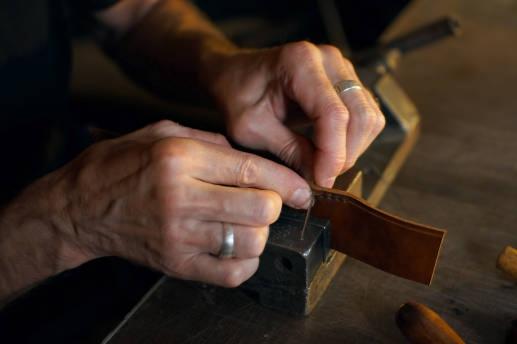
Craftsmanship goes far beyond the idea of something being handmade. In office furniture, it refers to the expertise, techniques, and attention to detail applied throughout the entire manufacturing process.
Key aspects of craftsmanship include:
Structural Frame Construction
A well-crafted office chair begins with a carefully engineered internal frame. Proper weight distribution and reinforcement ensure stability and longevity, especially for high-back executive chairs designed for extended sitting.
Precision Assembly
Accurate alignment of moving parts prevents wobbling, uneven tilt resistance, and long-term mechanical stress. Precision assembly also reduces unwanted noise and improves overall durability.
Upholstery Techniques
The way leather is cut, stretched, and secured affects both comfort and appearance. Skilled upholstery ensures smooth surfaces, balanced tension, and reduced pressure points.
Ergonomic Shaping
Craftsmanship includes shaping cushions and contours to support natural posture. This process requires experience and understanding of how the human body interacts with seating.
Quality Inspection
Well-crafted furniture undergoes detailed inspection at multiple stages, ensuring consistency and performance before it reaches the customer.
Mass production focuses on speed. Craftsmanship focuses on precision and longevity.

Craftsmanship Directly Affects Comfort
Comfort is not accidental — it is engineered.
Many people assume comfort comes simply from soft padding. In reality, long-term comfort depends on how materials are layered and shaped. Skilled craftsmanship ensures that cushioning supports the body rather than collapsing under it.
Foam Density and Layering
Expertly layered foam distributes pressure evenly across the seat, reducing fatigue during long workdays. Poorly constructed cushions may feel soft initially but quickly lose support.
Ergonomic Contouring
A well-crafted executive chair follows the natural curve of the spine, supporting the lower back and shoulders without forcing posture. Subtle shaping makes a significant difference during extended sitting sessions.
Upholstery Precision
Hand-finished upholstery eliminates uneven tension that can create pressure points. Smooth leather surfaces also allow natural movement, improving comfort throughout the day.
When craftsmanship is done correctly, comfort feels effortless — users may not notice why the chair feels better, only that they can work longer without discomfort.
Durability: Where Craftsmanship Truly Shows
Durability is often the clearest indicator of craftsmanship quality. While materials may appear identical at first glance, construction methods determine how furniture ages over time.
Strong Internal Structure
Reinforced frames and balanced structural design prevent long-term deformation. A well-built executive chair maintains stability even after years of daily use.
Stitching and Upholstery Quality
High-quality stitching prevents seams from separating and reduces stress on leather surfaces. Double stitching and precise seam placement significantly extend product lifespan.
Assembly Accuracy
Loose joints and misaligned components accelerate wear. Precision assembly minimizes friction and mechanical strain, helping tilt mechanisms and adjustments remain smooth and reliable.
A carefully crafted office chair can maintain performance for many years, making durability one of the strongest arguments for investing in quality construction.
Craftsmanship and Genuine Leather Performance
Genuine leather is one of the most valued materials in executive office furniture, but it is also highly dependent on craftsmanship.
Leather behaves differently from synthetic materials. It must be handled carefully to preserve its natural strength, flexibility, and texture.
Proper craftsmanship ensures:
-
Even stretching to prevent wrinkles
-
Balanced padding to avoid pressure stress
-
Clean edge finishing that reduces cracking
-
Careful inspection to maintain natural grain quality
Without skilled workmanship, premium leather cannot reach its full potential. In fact, poor craftsmanship can quickly undermine even the highest-quality materials.
This is why craftsmanship and genuine leather are inseparable — one enhances the value of the other.
The Hidden Costs of Poor Craftsmanship
Lower-quality office furniture often appears attractive due to lower upfront pricing. However, poor craftsmanship frequently leads to hidden long-term costs.
Common issues include:
-
Seat cushions sagging within months
-
Loose or noisy mechanisms
-
Wrinkled or peeling upholstery
-
Reduced ergonomic support
-
Frequent replacement needs
Replacing furniture every few years ultimately costs more than investing once in a well-crafted chair designed to last. Beyond financial cost, discomfort and reduced productivity also impact daily work performance.
Cheap furniture may save money initially, but quality craftsmanship saves money over time.
Craftsmanship as a Long-Term Investment
In today’s hybrid and home-office culture, office furniture is no longer temporary equipment — it is part of everyday life. A well-crafted executive chair becomes a long-term investment in comfort and productivity.
Lower Cost Per Year
A durable chair used for many years provides better overall value than repeatedly replacing lower-quality alternatives.
Sustainability Benefits
Long-lasting furniture reduces waste and environmental impact by minimizing replacement cycles.
Professional Presence
Executive leather chairs also contribute to workspace aesthetics, creating a refined and professional environment that reflects confidence and stability.
Better Work Experience
Comfortable seating supports focus, reduces fatigue, and improves overall work satisfaction.
Investing in craftsmanship means investing in daily well-being.
How to Recognize Well-Crafted Office Furniture
For buyers, identifying craftsmanship quality can seem challenging. Fortunately, several practical indicators can help.
Check the stitching: Seams should be straight, tight, and consistent without loose threads.
Test seat support: High-quality cushioning feels supportive rather than overly soft and quickly returns to shape.
Inspect stability: The chair should feel solid without wobbling or uneven movement.
Examine leather finishing: Smooth surfaces and clean edges indicate careful upholstery work.
Review warranty and brand transparency: Manufacturers confident in craftsmanship typically offer clear quality standards and reliable warranties.
Paying attention to these details helps distinguish true quality from surface appearance.
How Omidi Approaches Craftsmanship
At Omidi, craftsmanship is treated as the foundation of every executive genuine leather office chair. Rather than focusing solely on materials, the design and production process emphasizes precision, durability, and long-term comfort.
Each chair reflects careful attention to structural integrity, upholstery detailing, and ergonomic shaping. Skilled workmanship ensures that premium materials perform as intended, delivering both visual elegance and dependable support for everyday use.
By combining traditional craftsmanship principles with modern ergonomic design, Omidi aims to create office furniture that enhances both workspace aesthetics and user experience over time.
Conclusion: Craftsmanship Turns Furniture Into Experience
Office furniture may begin as materials — leather, foam, and metal — but craftsmanship is what transforms those elements into a lasting experience.
It determines how comfortable a chair feels after hours of work, how well it holds its shape over years of use, and whether it remains a reliable part of your workspace or becomes something that needs replacing too soon.
Choosing office furniture built with strong craftsmanship means choosing durability, comfort, and long-term value. In a world where we spend so much of our day seated, that investment makes a meaningful difference — not just in how we work, but in how we feel while doing it.
FAQ
Is handcrafted office furniture worth it?
Yes. Skilled craftsmanship improves durability, comfort, and long-term performance, often making handcrafted furniture more cost-effective over time.
Do expensive office chairs last longer?
Not always — but chairs built with high-quality craftsmanship and materials typically maintain performance significantly longer.
How long should a genuine leather office chair last?
A well-crafted genuine leather office chair can last 7–10 years or more with proper care and maintenance.
What’s the difference between handmade and mass-produced office chairs?
Handcrafted or carefully constructed chairs emphasize precision and detail, while mass production prioritizes speed and cost efficiency, often sacrificing longevity.