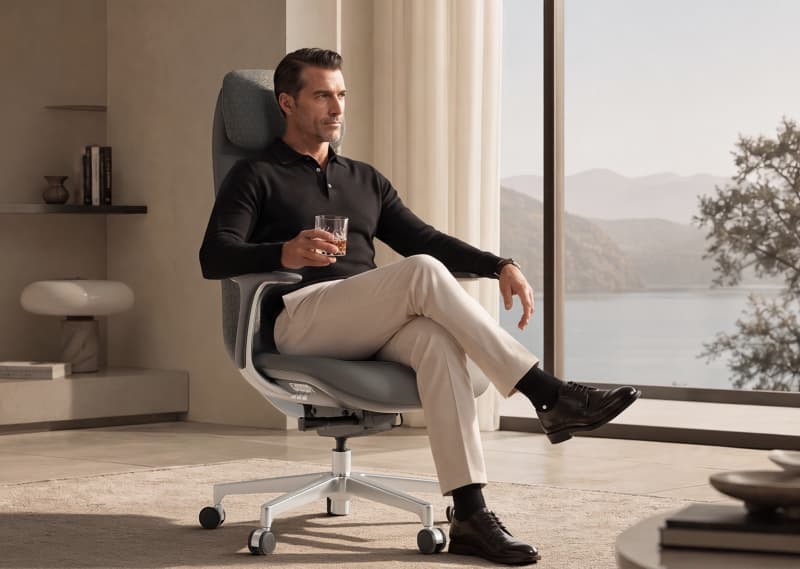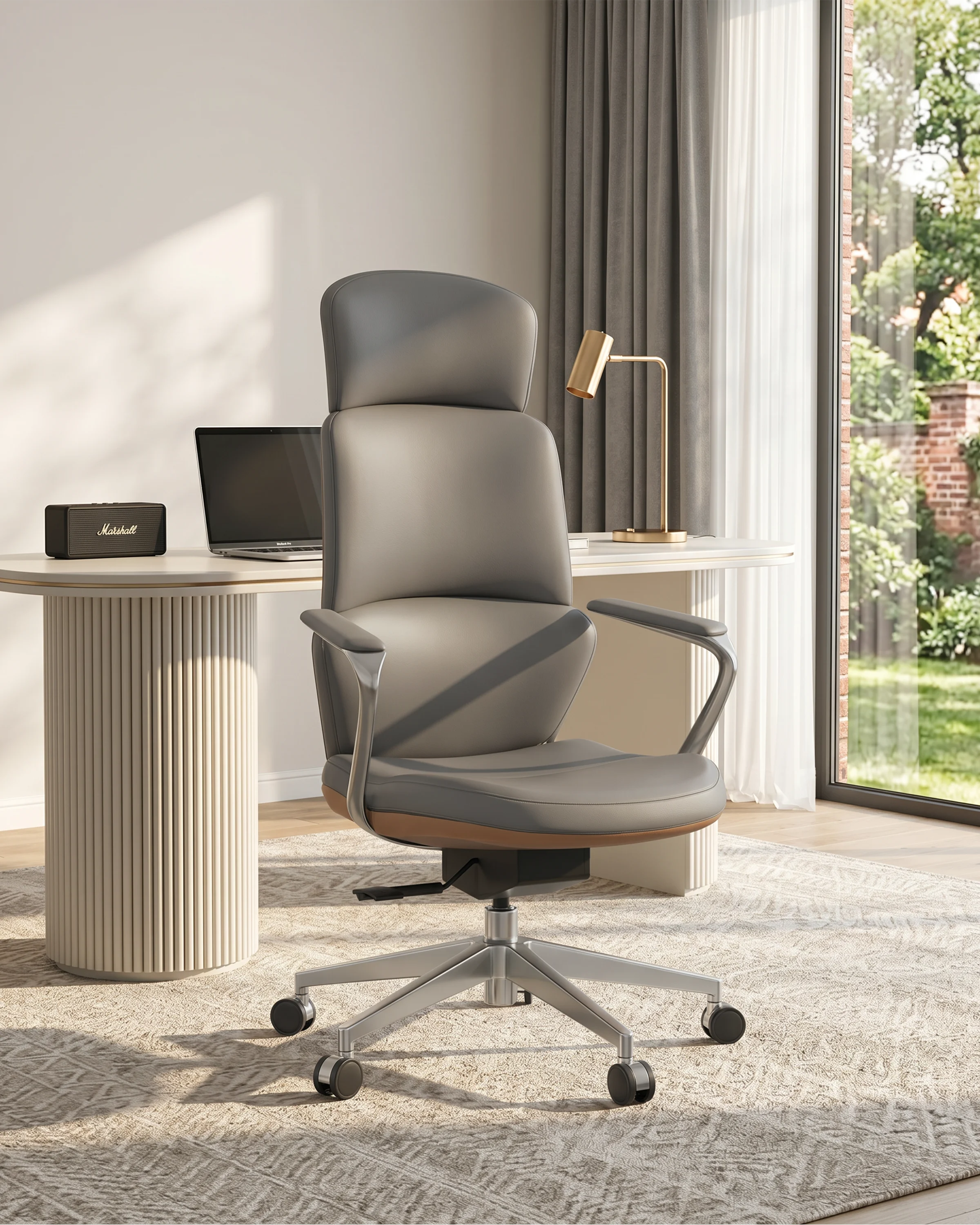
Article: Is Genuine Leather Better Than Faux Leather for an Office Chair?
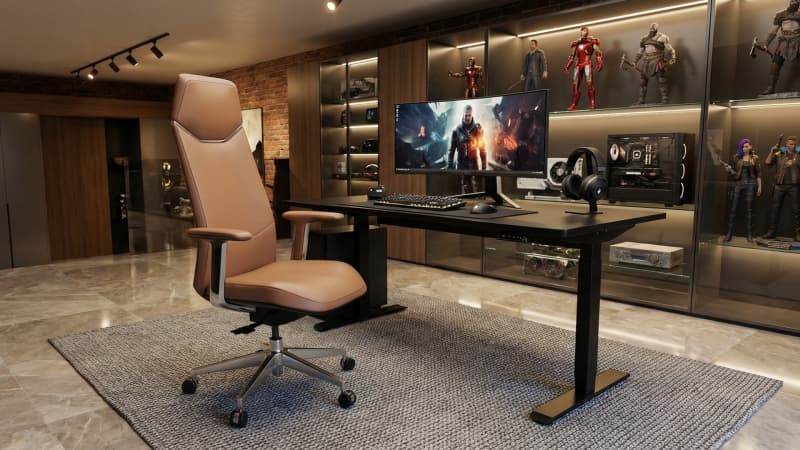
Is Genuine Leather Better Than Faux Leather for an Office Chair?
When shopping for a leather executive office chair, one of the first decisions you are likely to face is whether to choose genuine leather or faux leather. So, is genuine leather actually better for an office chair?
There is no simple yes-or-no answer. Genuine leather is often valued for its natural feel, the way it develops character over time, and its potential for long-term durability. Faux leather, including PU leather, is generally more affordable, offers a more uniform appearance, and tends to be easier to clean.
For anyone who spends several hours a day at a desk, however, upholstery is only part of the equation. Chair construction, ergonomic support, budget, maintenance, and the environment in which the chair will be used all matter.
That is why choosing a genuine leather office chair should involve more than checking whether the product description says “Genuine Leather” or “PU Leather.” It is also worth looking at where the leather is used, the quality of the upholstery, the seat cushioning, backrest design, tilt mechanism, and overall construction.
What Is the Difference Between Genuine Leather and Faux Leather Office Chairs?
Genuine leather is made from animal hide that has been tanned, dyed, and finished for use in furniture and other products. Because it is a natural material, variations in grain, texture, and color are normal and can give each chair a slightly different appearance.
Faux leather is a manufactured alternative. One of the most common types used in office seating is PU leather, which typically consists of a fabric backing covered with a polyurethane-based surface designed to resemble natural leather.
The difference goes beyond natural versus synthetic.
Over time, genuine leather may develop creases, subtle color variations, and a patina that becomes part of its appearance. Faux leather generally retains a more consistent surface and color, which can be useful when matching multiple chairs in the same office.
For buyers working within a tighter budget, furnishing a lower-use workspace, or prioritizing easy cleaning, faux leather can be a practical option. The better choice depends on how the chair will be used and what you expect from it over the long term.
Why Are Genuine Leather Office Chairs Usually More Expensive?
Part of the higher cost of a genuine leather executive chair comes from the material itself and the work required to process it. Natural hides go through several stages, including selection, tanning, dyeing, and finishing. Leather grade, thickness, and finishing method can all affect the final cost.
But upholstery is not the only reason one executive chair costs more than another.
The frame, foam quality, armrest construction, tilt mechanism, gas lift, and base also contribute to the price and, more importantly, to how the chair performs over time.
For this reason, “genuine leather” should not automatically be treated as another way of saying “high-quality office chair.” A chair may use good leather but still fall short if the seat lacks support or the underlying mechanism and frame are poorly designed.
If you expect to sit in your chair for six to eight hours a day, both the upholstery and the structure underneath it deserve attention.
Which Is More Durable: Genuine Leather or Faux Leather?
Durability is one of the main reasons buyers compare a genuine leather office chair vs. a faux leather office chair.
Good-quality genuine leather can hold up well over time when it is used and cared for properly. Since leather is a natural fibrous material, some creasing, variation in color, and changes in sheen are normal as it ages. These changes do not necessarily mean that the leather is wearing out.
The durability of faux leather depends heavily on the quality of its surface coating and backing, as well as heat, humidity, friction, and frequency of use. With age and repeated wear, some synthetic leather surfaces may begin to crack, peel, or show worn patches.
That does not mean every genuine leather chair will outlast every faux leather chair. Lower-quality or poorly maintained leather can dry out or fade, while well-made synthetic upholstery can perform reliably for years.
When comparing leather and PU office chairs, look beyond the material category. Material quality, construction, maintenance, and how often the chair will be used are more useful indicators.
Is a Genuine Leather Office Chair More Comfortable?
Leather affects how a chair feels, but it does not determine comfort on its own.
Genuine leather is often appreciated for its natural texture and supple feel. With regular use, it may also conform subtly to the areas of the chair that receive the most contact.
However, premium upholstery cannot compensate for poor cushioning or a backrest that does not suit your body.
Executive chairs typically combine upholstery with foam padding, so the density, resilience, and shape of the cushioning matter just as much as the material covering it. A very soft seat may feel inviting at first but provide less consistent support during a long workday. A seat that is excessively firm can create pressure in other areas.
When evaluating a leather executive chair for long hours, consider the complete seating system: upholstery, padding, seat dimensions, backrest shape, and ergonomic support.
What Ergonomic Features Matter in a Leather Executive Chair?
Traditional executive chairs are often associated with wide seats, thick padding, and substantial backrests. Modern ergonomic executive chairs, however, increasingly combine that classic appearance with features designed for extended desk work.
Start with the backrest. It should support your back naturally rather than relying on thick padding alone to create a feeling of softness.
Seat height also matters. Ideally, you should be able to adjust the chair so your feet are supported and your legs can rest in a comfortable position.
Armrests deserve attention as well. If you spend much of the day typing, taking video calls, or reviewing documents, the armrests should allow your shoulders to remain relaxed rather than forcing them upward.
A useful tilt and recline mechanism can also make it easier to change position throughout the day, whether you are focused on desk work, sitting through a meeting, reading, or taking a short break.
A well-designed ergonomic leather office chair should balance the cushioned feel expected from an executive chair with the support required for everyday work.
Is Genuine Leather More Breathable Than Faux Leather?
Breathability is another common question when comparing genuine leather vs. faux leather office chairs.
Natural leather has a different fiber structure from synthetic coated materials, but that does not mean every genuine leather chair will automatically feel cooler. Surface treatments, leather thickness, room temperature, clothing, and the cushioning beneath the upholstery can all affect how warm a chair feels.
PU leather generally has a more continuous coated surface, so some people may find it warmer during extended periods of contact, particularly in hot conditions.
In a climate-controlled office, the difference may not be a deciding factor. In warmer environments or for people who sit for long periods without getting up frequently, heat and breathability may deserve more consideration.
Which Is Easier to Clean: Genuine Leather or Faux Leather?
Faux leather is generally straightforward to maintain. Everyday dust and minor spills can often be handled with a soft, slightly damp cloth, although you should always follow the chair manufacturer's care instructions.
Genuine leather requires somewhat more attention. Regular dusting with a soft cloth and cleaning products appropriate for the specific type of leather are generally preferable. Prolonged exposure to direct sunlight, strong heat, and very dry conditions should also be avoided.
Harsh cleaners, alcohol, and products not intended for leather may damage the finish, so it is important to follow the manufacturer's recommended care routine.
If minimal maintenance is a priority, faux leather may be the more convenient choice. If you are comfortable with occasional care and value the way natural leather changes over time, genuine leather may be worth the extra attention.
What Office Styles Work Well With Leather Executive Chairs?
Upholstery affects more than comfort and durability. It also influences how an executive chair fits into the surrounding workspace.
Black and dark brown genuine leather executive chairs tend to work well in executive offices, law firms, financial offices, conference rooms, and interiors with a more traditional character. Natural leather also pairs easily with wood desks, metal details, and darker storage furniture.

For a modern office, a leather chair with a cleaner silhouette can provide the same material presence without making the room feel overly formal or heavy. Black, brown, and lighter neutral upholstery can all work, depending on the desk, flooring, and surrounding furniture.
Faux leather can be particularly useful when furnishing conference rooms, shared offices, or multiple workstations because its consistent color and grain make it easier to create a uniform look across several chairs.
The best upholstery choice should therefore take both everyday use and the overall office design into account.
How Should You Choose Between Genuine Leather and Faux Leather?
If you are deciding between a genuine leather and faux leather office chair, start by considering how often the chair will be used.
For daily, long-hour use and a chair you plan to keep for years, pay close attention to leather quality, seat support, the tilt mechanism, construction, and expected maintenance—not just the purchase price.
For a home office, meeting room, guest office, or other space where the chair is used less frequently, faux leather may meet your needs at a lower cost.
Genuine leather may be particularly appealing in executive offices or other spaces where natural material and a more traditional appearance are part of the design.
Whichever material you choose, check whether the manufacturer clearly identifies the upholstery, where genuine leather is used, chair dimensions, adjustment features, weight capacity, and major structural components. Clear specifications make meaningful comparisons much easier.
Frequently Asked Questions About Genuine Leather and Faux Leather Office Chairs
Is genuine leather always better than PU leather for an office chair?
No. Genuine leather offers a natural texture and can age attractively, while PU leather is generally less expensive, visually consistent, and easy to maintain. The better choice depends on your budget, how often you use the chair, and the overall quality of the chair.
How can I tell if an office chair is made from genuine leather?
Do not rely on product photos alone. Read the material specifications and check which parts of the chair are actually upholstered in genuine leather. Some chairs use leather only on the main seating surfaces, while matching materials are used elsewhere.
Can genuine leather office chairs crack?
Natural leather can dry out or develop surface damage when exposed to excessive heat, prolonged sunlight, very dry conditions, or unsuitable cleaning products. Appropriate care can help maintain its condition.
Is a leather executive chair suitable for an eight-hour workday?
That depends more on the chair's dimensions, back support, cushioning, armrests, and tilt mechanism than on the upholstery itself. For extended desk work, ergonomic fit and support should take priority over material alone.
What should I look for when buying a leather executive chair?
A useful order of priorities is ergonomic fit and dimensions, chair construction, leather quality, adjustment features, and appearance. A leather label or heavily padded design should not be the only reason to choose one chair over another.
Final Thoughts: Is Genuine Leather Better Than Faux Leather for an Office Chair?
So, is genuine leather better than faux leather for an office chair? It depends on what you value and how the chair will be used.
If you prefer a natural feel, appreciate the way leather develops character with age, want a traditional executive-office appearance, and are willing to give the material appropriate care, a well-made genuine leather office chair may suit you better.
If you are working with a smaller budget, prefer simple maintenance, or need chairs for occasional use or a larger office setup, faux leather remains a practical alternative.
For anyone choosing an executive leather office chair, however, upholstery should be only one part of the decision. Seat dimensions, back support, cushioning, armrest position, adjustability, and the quality of the tilt mechanism can have a greater impact on everyday comfort than the material label alone.
Rather than asking only whether genuine leather is better than faux leather, compare the upholstery quality, ergonomic design, chair construction, and intended use together. That will give you a much clearer idea of which executive office chair is likely to work well in your workspace over the long term.