Are Executive Leather Chairs Good for Back Pain? What You Need to Know Before Choosing One
Back pain has quietly become one of the most common workplace health issues in the modern world. Whether you’re a corporate executive, a manager spending long hours in meetings, or a remote professional working from home, the chair you sit on every day plays a critical role in your spinal health. This leads many buyers to ask an important question: Are executive leather chairs good for back pain?
The short answer is: they can be—if you choose the right one.
In this article, we’ll explore how executive leather chairs affect back health, what features truly matter, common misconceptions, and how a high-quality genuine leather office chair can support comfort, posture, and long-term well-being.
Why Office Chairs Matter for Back Pain
Before diving into leather specifically, it’s important to understand why office chairs influence back pain so significantly.
When sitting for long periods, your spine experiences sustained pressure—especially in the lumbar (lower back) region. Poor seating can lead to:
-
Slouched posture
-
Increased disc pressure
-
Muscle fatigue
-
Neck and shoulder strain
-
Chronic lower back pain
An ergonomic office chair helps distribute body weight evenly, supports the spine’s natural curve, and encourages healthier posture throughout the workday.
What Is an Executive Leather Chair?
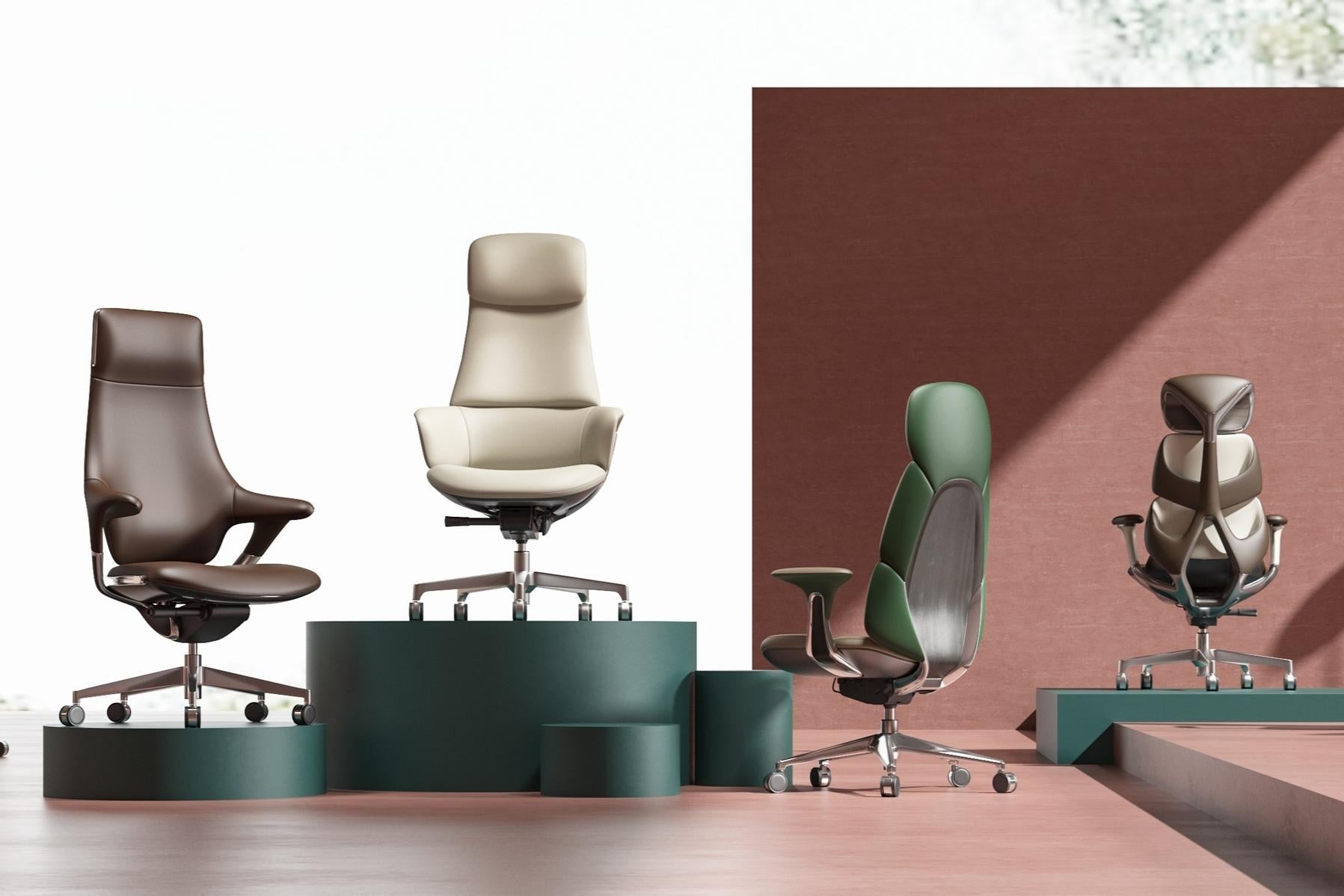
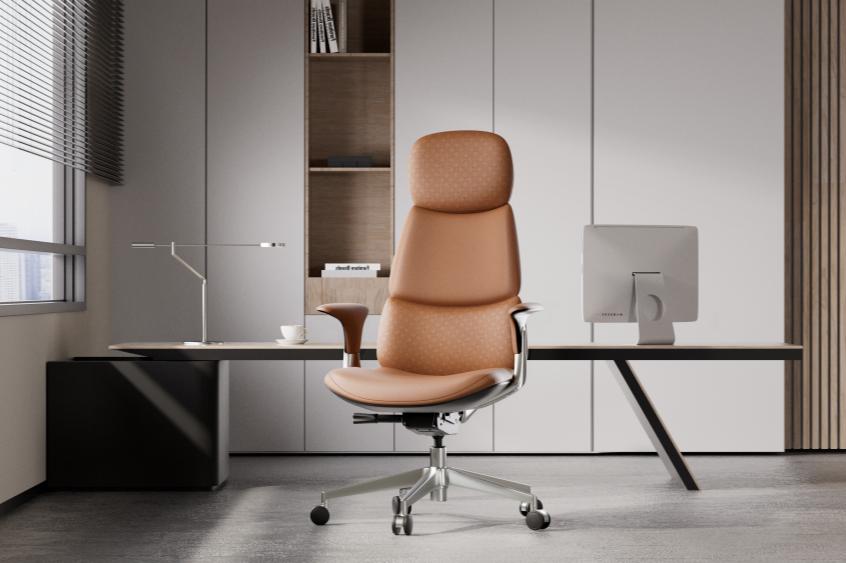
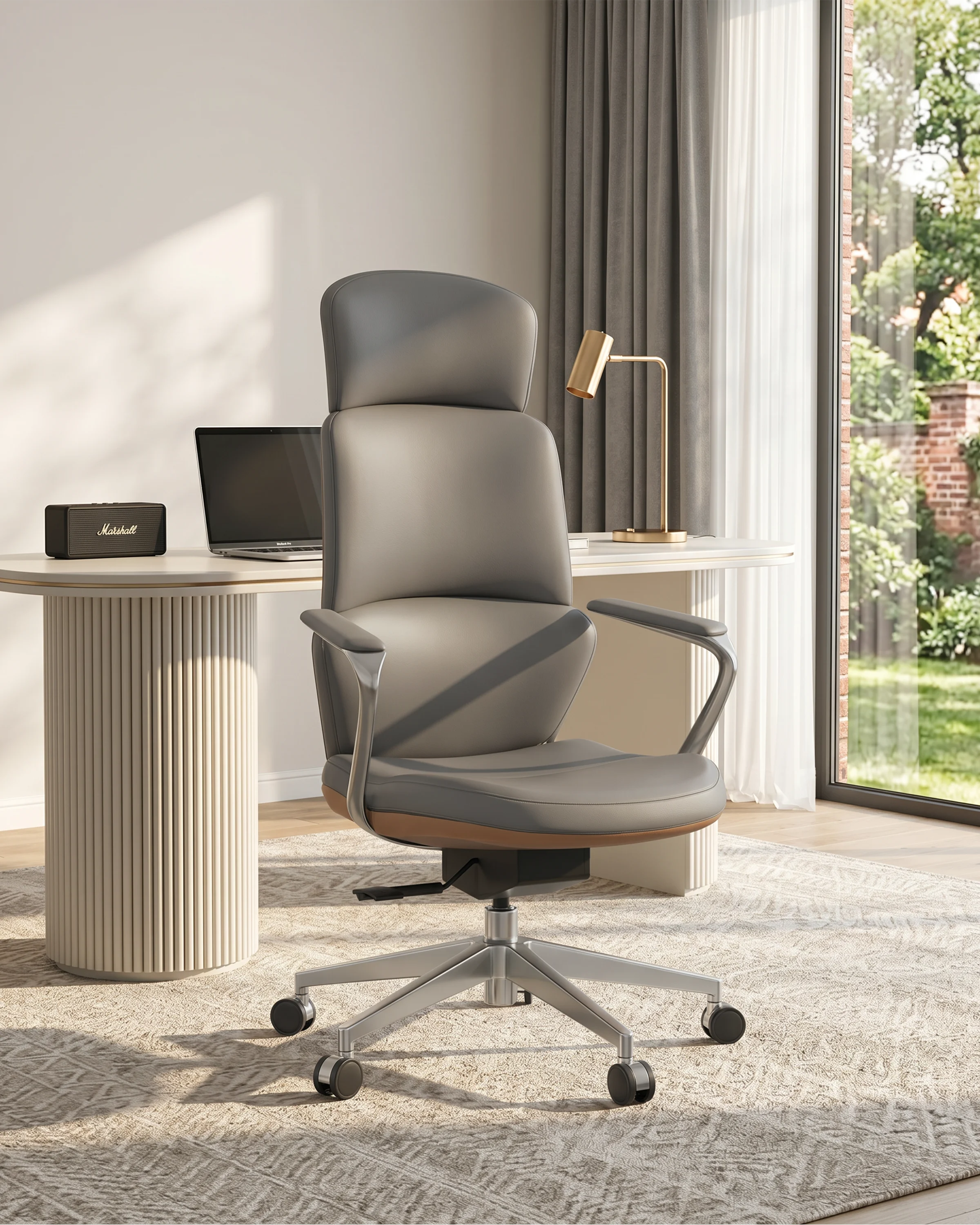
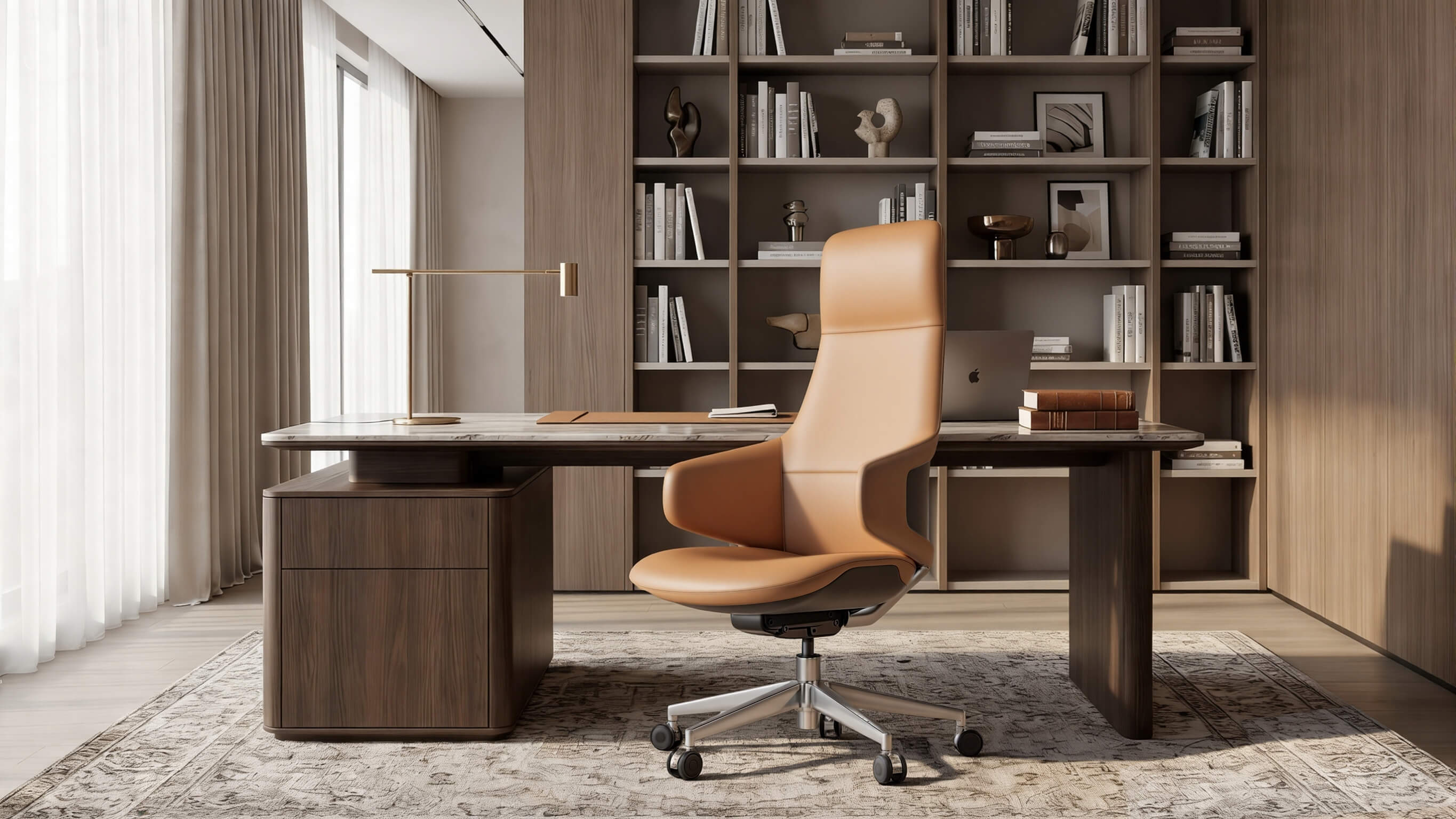
An executive leather chair is typically designed for extended use, higher comfort expectations, and a more professional aesthetic. Compared to standard task chairs, executive models often feature:
-
High backs for full spinal support
-
Thicker seat cushioning
-
Wider seating areas
-
Armrests designed for relaxed positioning
-
Premium upholstery, often genuine leather
These elements can make executive chairs particularly suitable for people who sit for long hours—when ergonomics are properly integrated.
How Executive Leather Chairs Can Help with Back Pain
1. Better Lumbar Support
One of the most important factors for back pain relief is lumbar support. Many high-quality executive leather chairs are built with contoured backrests that support the natural inward curve of the lower spine.
Proper lumbar support helps:
-
Reduce lower back strain
-
Prevent slouching
-
Maintain neutral spinal alignment
Without it, even the most luxurious chair can contribute to discomfort.

2. High-Back Design for Full Spinal Support
Executive leather chairs often feature high backs that extend to the shoulders or neck. This provides support for the entire spine rather than just the lower back.
This is especially beneficial for:
-
Executives who lean back while thinking or reading
-
Users who alternate between upright and reclined positions
-
Reducing upper-back and shoulder tension
3. Firm Yet Comfortable Cushioning
Contrary to popular belief, overly soft chairs are not ideal for back pain. High-quality executive leather chairs usually use dense, supportive foam that balances comfort with stability.
Benefits include:
-
Even pressure distribution
-
Reduced hip and tailbone strain
-
Less fatigue during long sitting sessions
4. Adjustable Features Improve Ergonomics
While not all executive leather chairs are fully adjustable, well-designed models often include features such as:
-
Seat height adjustment
-
Tilt and recline mechanisms
-
Armrest positioning
These adjustments allow users to customize their seating position—an essential factor for preventing and managing back pain.

The Role of Genuine Leather in Comfort
Breathability and Temperature Regulation
A genuine leather office chair offers advantages beyond aesthetics. Natural leather adapts to body temperature better than many synthetic materials, reducing heat buildup and discomfort during extended use.
This can help users:
-
Stay comfortable for longer periods
-
Avoid frequent posture changes caused by overheating
-
Maintain consistent support throughout the day
Long-Term Comfort and Durability
Genuine leather softens slightly over time without losing structure. Unlike lower-quality materials that compress or deform, real leather maintains its supportive feel for years.
This consistency is crucial for users managing chronic back pain, as uneven wear can disrupt posture and alignment.
Common Myths About Leather Office Chairs and Back Pain
Myth 1: Leather Chairs Are Only About Looks
While executive leather chairs certainly elevate office aesthetics, high-quality models are built for function first—especially in professional environments where long hours are common.
Myth 2: All Executive Chairs Are Bad for Ergonomics
Some older designs prioritized appearance over support, but modern executive leather chairs increasingly integrate ergonomic principles, making them suitable for daily, extended use.
Myth 3: Mesh Chairs Are Always Better for Back Pain
Mesh chairs offer breathability, but they don’t automatically provide better lumbar support. A well-constructed leather chair with proper contouring can be just as supportive—sometimes more so.
What to Look for in an Executive Leather Chair for Back Pain
When choosing an executive leather chair specifically for back health, focus on these key factors:
1. Ergonomic Backrest Shape
Look for a backrest that follows the natural curve of the spine rather than a flat surface.
2. Seat Depth and Width
Your thighs should be supported without pressure behind the knees.
3. Firm Lumbar Area
Avoid chairs that feel too soft or collapse under pressure.
4. Recline Function
A slight recline (100–110°) can significantly reduce spinal pressure.
5. Genuine Leather Upholstery
Choose real leather for consistent support, durability, and comfort over time.
Are Executive Leather Chairs Right for Everyone?
Executive leather chairs are particularly well-suited for:
-
CEOs and executives
-
Managers with long desk hours
-
Professionals who prefer a structured, supportive seat
-
Home office users seeking long-term comfort and style
However, individuals who prefer very active seating or frequent movement may benefit from pairing their chair with regular standing or stretching breaks.
Omidi Furniture: Executive Leather Chairs Designed for Comfort
At Omidi Furniture, executive leather chairs are designed with both professional presence and everyday comfort in mind. The focus is on high-quality craftsmanship, genuine leather upholstery, and structures that support long hours of use.
Rather than chasing trends, Omidi emphasizes:
-
Durable materials
-
Timeless executive design
-
Supportive seating structures suitable for daily work
This approach makes Omidi executive chairs a reliable option for professionals who care about both appearance and back health.
Tips to Reduce Back Pain—Even with the Best Chair
Even the best executive leather chair works best when paired with healthy habits:
-
Adjust your chair properly
-
Keep feet flat on the floor
-
Take short standing or stretching breaks every 30–60 minutes
-
Maintain screen height at eye level
A chair supports your posture—but movement completes the solution.
Final Verdict: Are Executive Leather Chairs Good for Back Pain?
Yes—when designed correctly, executive leather chairs can be very good for back pain.
A high-quality genuine leather office chair with proper lumbar support, structured cushioning, and ergonomic proportions can help reduce strain, improve posture, and enhance comfort throughout the workday.
The key is choosing a chair that balances support, adjustability, and quality materials—not just appearance. When those elements come together, an executive leather chair becomes more than a status symbol—it becomes a long-term investment in your health and productivity.